
What Is Laparoscopic Gastric Bypass?
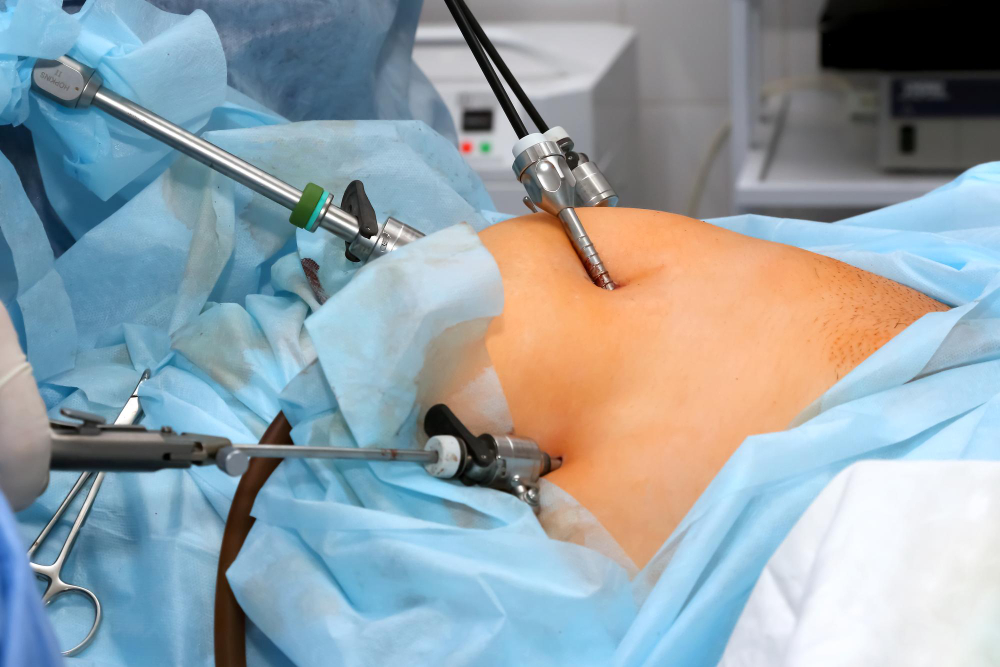
Laparoscopic gastric bypass is a type of weight loss surgery. Doctors use small cuts and a camera to perform this minimally invasive bariatric surgery. During the procedure, the stomach is made smaller and part of the small intestine is bypassed. As a result, people eat less and absorb fewer calories. This surgery is often called a “bariatric procedure.” It helps people lose weight when other methods have not worked.
Who Is Eligible for Laparoscopic Gastric Bypass?
Not everyone is a candidate for this surgery. Usually, doctors recommend it for people who:
However, a doctor will check your health and discuss your options. Sometimes, people with certain medical conditions may not be suitable for surgery.
How Is the Procedure Performed?
First, you will receive anesthesia so you sleep during the surgery. Next, the surgeon makes a few small cuts in your belly. Then, a thin tube with a camera is inserted. This helps the surgeon see inside. The steps include:
Because the cuts are small, healing is usually faster than with open surgery. The whole procedure often takes two to three hours.
Benefits and Expected Outcomes
Laparoscopic gastric bypass offers many benefits. For example, it can help you lose a lot of weight. In addition, it may improve or even resolve health problems linked to obesity. These include:
Most people lose 60% to 80% of their extra weight within two years. Besides, many feel more energetic and enjoy a better quality of life. According to the American Society for Metabolic and Bariatric Surgery, this procedure is safe and effective for many patients.
Potential Risks and Complications
Like any surgery, laparoscopic gastric bypass has risks. However, most problems are rare. Possible risks include:
Still, your surgical team will watch for these problems and help you prevent them.
Recovery Process and Aftercare
After surgery, most people stay in the hospital for one to three days. During this time, doctors check for any problems. Once home, you will need to:
Usually, you can return to normal activities in two to four weeks. However, always follow your doctor’s advice for a safe recovery.
Lifestyle Changes and Long-Term Considerations
For lasting results, you must make healthy changes. For instance, you will need to:
Because your body absorbs fewer nutrients, you must take supplements for life. Regular check-ups are important to watch your health and weight loss progress.
How to Prevent Complications
To lower your risk of problems, always:
With good care, most people recover well and enjoy the benefits of this bariatric procedure.
Conclusion
Laparoscopic gastric bypass is a proven way to lose weight and improve health. However, it is not a quick fix. You must commit to lifelong changes for the best results. If you are considering this surgery, consult Dr. Sreekanth at Pranaam Hospital to discuss if laparoscopic gastric bypass is right for you.