
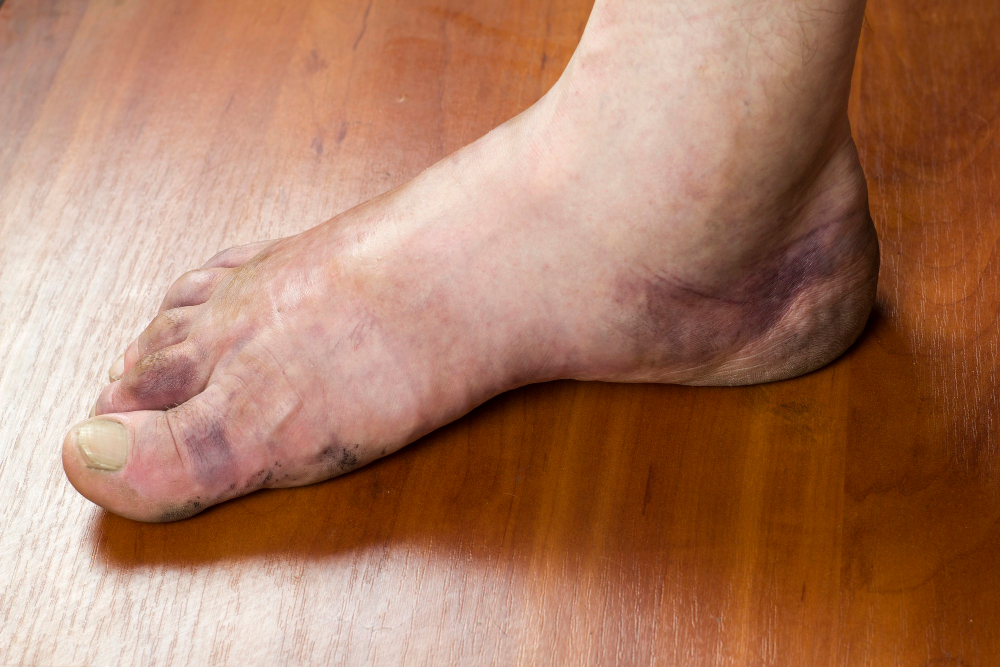
What is Gangrene?
Gangrene is a serious condition where body tissue dies due to a lack of blood flow or infection. Often, it affects the fingers, toes, or limbs. However, it can also occur inside the body. Because gangrene can spread quickly, early treatment is very important. If you notice any signs, you should seek medical help right away.
Types of Gangrene
There are several types of gangrene. Each type has different causes and symptoms. Knowing the types of gangrene can help you understand the risks and treatments.
Symptoms of Gangrene
Gangrene symptoms can vary, but some signs are common. Early detection can save lives. Watch for these symptoms:
For example, if you notice a wound that looks dark or smells bad, you should get help quickly.
Causes and Risk Factors
Gangrene happens when blood cannot reach body tissues. This may be due to an injury, infection, or a health problem. Some people have a higher risk than others. Here are common causes of gangrene:
Additionally, certain risk factors make gangrene more likely. These include:
Because these factors can increase your risk, it is important to manage your health conditions.
How is Gangrene Diagnosed?
Doctors use several methods to diagnose gangrene. First, they will check your symptoms and medical history. Then, they may order tests to confirm the diagnosis. Common tests include:
Early diagnosis of gangrene helps doctors plan the best treatment. Sometimes, transplant surgeons or general surgery teams may be involved in your care.
Treatment Options for Gangrene
Gangrene treatment depends on the type and how much it has spread. Quick action is key. Here are common treatment options:
Because gangrene can be life-threatening, treatment often involves a team of specialists, including transplant surgeons and general surgery experts.
Prevention Tips
While not all cases can be prevented, you can lower your risk. Follow these tips for gangrene prevention:
In addition, regular check-ups can help catch problems early.
When to See a Doctor
If you notice any signs of gangrene, do not wait. Seek medical help right away. Early treatment can save tissue and prevent serious problems. For example, if you see skin changes, swelling, or a bad smell from a wound, call your doctor. In some regions, access to care may differ, so act quickly if you have concerns.
Conclusion
Gangrene is a serious health issue, but early care can make a big difference. Knowing the symptoms, causes, and treatment options helps you stay safe. If you notice symptoms of gangrene, consult a specialist Dr. Sreekanth for personalized care.