
Introduction
An umbilical hernia happens when a part of the intestine pushes through the belly button area. Laparoscopic repair is a modern, less invasive surgery to fix this problem. In fact, many people choose this method for a quicker recovery. Understanding umbilical hernia – laparoscopic repair is important for anyone who notices a bulge near their navel. Early treatment can prevent problems and improve quality of life.
What Is an Umbilical Hernia?
An umbilical hernia is a soft swelling or bulge near the belly button. Usually, it forms when tissue pokes through a weak spot in the stomach muscles. While this condition is common in babies, adults can get it too. Sometimes, the bulge is more visible when coughing or standing. Although many hernias are harmless, some may need surgery if they cause pain or grow larger.
Symptoms and When to Seek Help
Most people notice a lump or swelling near the navel. However, other signs can appear. You should watch for:
If the bulge becomes hard, painful, or cannot be pushed back in, seek medical help right away. These signs may mean the hernia is trapped, which can be dangerous.
Causes and Risk Factors
Umbilical hernias can develop for several reasons. For example, weak stomach muscles at birth can cause them in babies. In adults, common causes include:
While anyone can get an umbilical hernia, these factors increase the risk. Therefore, knowing your risk can help you take steps to prevent it.
How Umbilical Hernias Are Diagnosed
Doctors usually diagnose an umbilical hernia with a simple physical exam. However, they may use tests to confirm the diagnosis or check for complications. These tests can include:
Early diagnosis helps prevent problems. If you notice a bulge or pain, visit your doctor for an evaluation.
What Is Laparoscopic Repair?
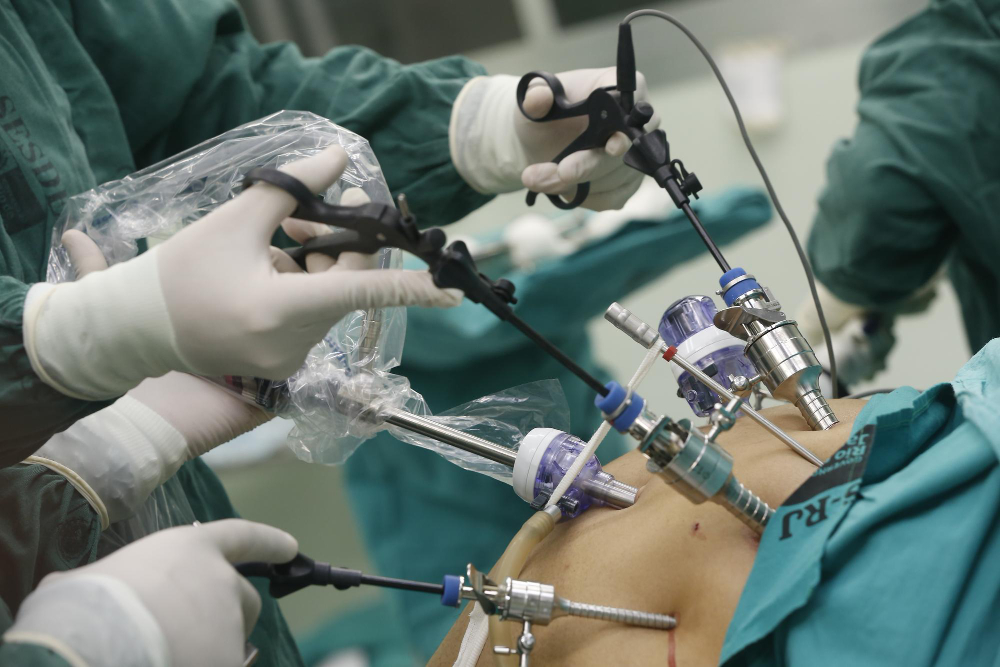
Laparoscopic repair is a minimally invasive surgery to fix an umbilical hernia. Instead of a large cut, the surgeon makes a few small cuts in the belly. Through these, they use a camera and special tools to repair the hernia. Because the cuts are small, recovery is often faster and less painful than with open surgery.
Benefits of Laparoscopic Surgery
Laparoscopic hernia repair offers many advantages. For example:
According to the American College of Surgeons, most patients recover quickly and have fewer problems after laparoscopic surgery.
The Procedure: Step-by-Step Overview
Here is what usually happens during laparoscopic umbilical hernia repair:
Most surgeries take about one hour. You may go home the same day or after a short stay.
Recovery and Aftercare Tips
After surgery, most people feel better within a few days. However, full recovery may take a couple of weeks. To help your healing:
If you have any concerns, contact your doctor right away. Quick action can prevent problems.
Prevention and Lifestyle Guidance
While not all hernias can be prevented, you can lower your risk. For example:
Making these changes can help protect your health and prevent future hernias.
Conclusion
Umbilical hernia – laparoscopic repair is a safe and effective way to treat this common problem. If you notice a bulge or pain near your belly button, do not ignore it. Consult a qualified surgeon at Pranaam Hospital for personalized advice on umbilical hernia treatment.