
Rectal Prolapse: Symptoms, Causes, Diagnosis, and Treatment

What is Rectal Prolapse?

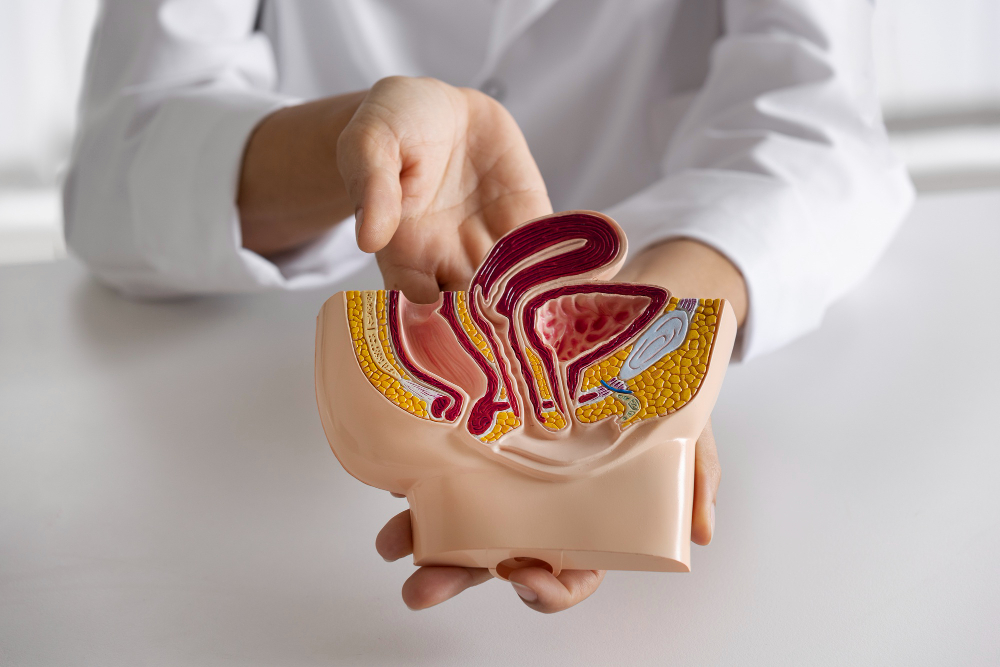
Rectal prolapse happens when the last part of the large intestine, called the rectum, slips out through the anus. This condition can affect both adults and children. Although it may sound scary, rectal prolapse is treatable. Early care can help prevent problems. Many people feel embarrassed, but it is important to talk to a doctor if you notice symptoms.

Symptoms of Rectal Prolapse

Recognizing rectal prolapse symptoms early can help you get the right treatment. Common signs include:

  • A pink or red lump coming out of the anus, especially after a bowel movement
  • Feeling like something is falling out of the anus
  • Leaking stool or mucus
  • Bleeding from the rectum
  • Itching or discomfort around the anus
  • Difficulty controlling bowel movements
  • Sometimes, the lump may go back inside on its own. However, it can also stay outside and cause pain or swelling.

    Causes and Risk Factors

    There are several rectal prolapse causes. Often, more than one factor is involved. Some common causes and risk factors include:

  • Chronic constipation or straining during bowel movements
  • Weak muscles in the pelvic area
  • Older age, as muscles weaken over time
  • Previous injury or surgery in the pelvic area
  • Long-term diarrhea
  • Pregnancy and childbirth, especially with difficult deliveries
  • Neurological conditions, such as spinal cord problems
  • Cystic fibrosis in children
  • Women are more likely to develop rectal prolapse than men. Children under four years old are also at higher risk.

    How is Rectal Prolapse Diagnosed?

    Doctors use several steps for rectal prolapse diagnosis. First, they ask about your symptoms and medical history. Next, they perform a physical exam. During the exam, you may be asked to strain as if having a bowel movement. This helps the doctor see if the rectum slips out.

    Sometimes, more tests are needed, such as:

  • Colonoscopy to check for other problems in the colon
  • Imaging tests, like MRI or X-rays, to view the pelvic area
  • Tests to check how well the muscles work around the anus
  • These tests help doctors find the best rectal prolapse treatment for you.

    Treatment Options for Rectal Prolapse

    Rectal prolapse treatment depends on your age, health, and how severe the prolapse is. Treatment options include:

  • Lifestyle changes: Eating more fiber and drinking water can help prevent constipation.
  • Stool softeners: These make bowel movements easier and reduce straining.
  • Physical therapy: Exercises can strengthen pelvic muscles.
  • Surgery: If other treatments do not work, surgery may be needed. There are different types of surgery. Your doctor will choose the best one for you.
  • Most people recover well after treatment. However, follow-up care is important to prevent the problem from coming back.

    Prevention and Lifestyle Tips

    While not all cases can be prevented, you can lower your risk of rectal prolapse by following these tips:

  • Eat a diet rich in fiber, such as fruits, vegetables, and whole grains
  • Drink plenty of water every day
  • Exercise regularly to keep your muscles strong
  • Avoid straining during bowel movements
  • Use the bathroom as soon as you feel the urge
  • Talk to your doctor if you have ongoing constipation or diarrhea
  • With these steps, you can help keep your bowels healthy.

    When to See a Doctor

    It is important to seek medical help if you notice any rectal prolapse symptoms. You should see a doctor if:

  • You see a lump coming out of your anus
  • You have trouble controlling your bowel movements
  • You notice bleeding, pain, or swelling
  • Your symptoms do not improve with home care
  • Early treatment can prevent more serious problems. Do not feel embarrassed to ask for help.

    Frequently Asked Questions (FAQs)

  • Is rectal prolapse dangerous?
  • Rectal prolapse is not usually life-threatening. However, it can cause discomfort and other problems if not treated.
  • Can rectal prolapse go away on its own?
  • Sometimes, mild cases in children may improve. In adults, treatment is often needed.
  • Will I need surgery?
  • Not everyone needs surgery. Your doctor will suggest the best treatment based on your case.
  • Can rectal prolapse come back after treatment?
  • It is possible, especially if the underlying cause is not fixed. Regular follow-up helps prevent this.
  • Conclusion and Next Steps

    Rectal prolapse can be upsetting, but help is available. With early diagnosis and the right treatment, most people recover well. If you notice any symptoms, do not wait. Consult Dr. Sreekanth for personalized guidance.

    Sources: Centers for Disease Control and Prevention (CDC), World Health Organization (WHO), National Institutes of Health (NIH)