What Is Pilonidal Sinus?
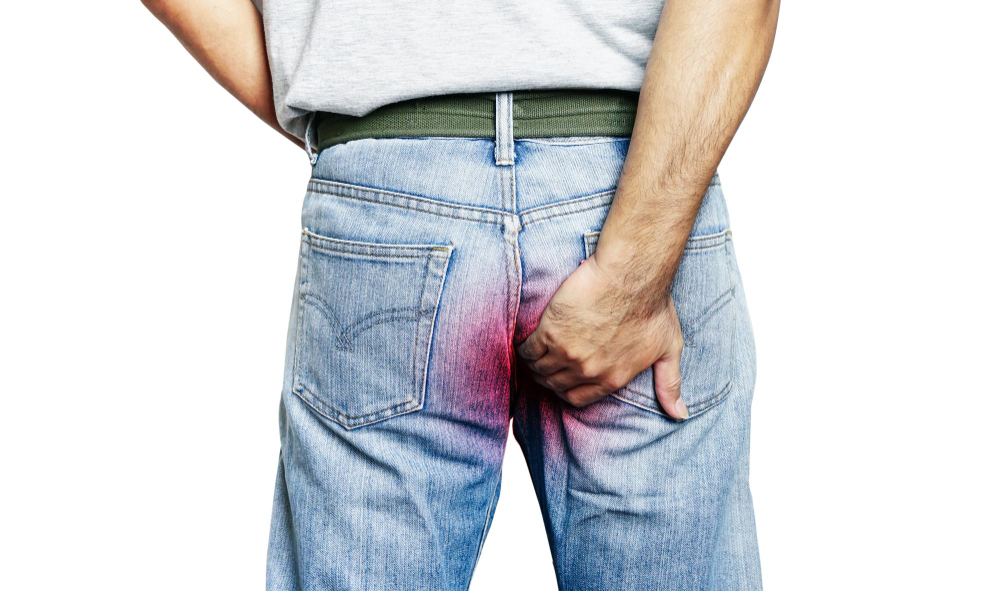
Pilonidal sinus is a small tunnel or tract that forms under the skin, usually near the tailbone at the top of the buttocks. Often, it contains hair, skin debris, and sometimes pus. This condition can cause pain and swelling. Many people develop a pilonidal sinus due to hair growing into the skin. Sometimes, it leads to an infection or a painful lump called a pilonidal cyst. Today, laser treatment for pilonidal sinus is a modern, minimally invasive option. It is also known as pilonidal cyst laser removal.
Common Symptoms and Causes
Usually, pilonidal sinus symptoms appear near the lower back. For example, you may notice:
In addition, certain factors increase the risk. These include:
Because hair and friction play a role, young adults and men are more likely to get it.
How Is Pilonidal Sinus Diagnosed?
Doctors usually diagnose pilonidal sinus by looking at the area and asking about symptoms. Sometimes, they gently press the area to check for pain or discharge. In rare cases, they may use ultrasound or other scans to see how deep the sinus goes. However, most cases do not need special tests. Early diagnosis helps prevent complications.
Traditional Treatments vs. Laser Surgery
Earlier, doctors treated pilonidal sinus with open surgery. This method involves cutting out the sinus and leaving the wound open to heal. While it works, healing can take weeks. There is also a risk of infection or the sinus coming back. Now, many people choose minimally invasive pilonidal sinus surgery. Laser treatment for pilonidal sinus is one such option. It uses focused light to remove the sinus with less damage to healthy tissue.
How Laser Surgery Treats Pilonidal Sinus
Laser pilonidal sinus surgery is a simple and quick procedure. Here is how it works:
Because the laser targets only the problem area, healthy skin heals faster. Many clinics now offer pilonidal cyst laser removal as a day-care procedure. In some cities, you can find laser pilonidal sinus surgery in specialized centers.
Benefits and Risks of Laser Surgery
Laser surgery offers several benefits over traditional methods. For example:
However, as with any surgery, there are some risks. These may include:
Still, most people recover well after laser surgery. Always discuss the risks and benefits with your doctor before choosing a treatment.
Recovery and Aftercare Tips
After laser surgery, recovery is usually quick. Most people return to work or school within a few days. To help healing, follow these tips:
Because laser surgery recovery is usually smooth, most people feel better soon. However, always follow your doctor’s advice for the best results.
Prevention and Lifestyle Guidance
While not all cases can be prevented, you can lower your risk of pilonidal sinus by following these steps:
Maintaining good hygiene and staying active can help prevent pilonidal sinus. Early recognition of symptoms and timely medical care are important to avoid complications. At Pranaam Hospital, our specialists provide personalized guidance on pilonidal sinus management, including advanced laser surgery options. Consult us for expert care tailored to your needs.