
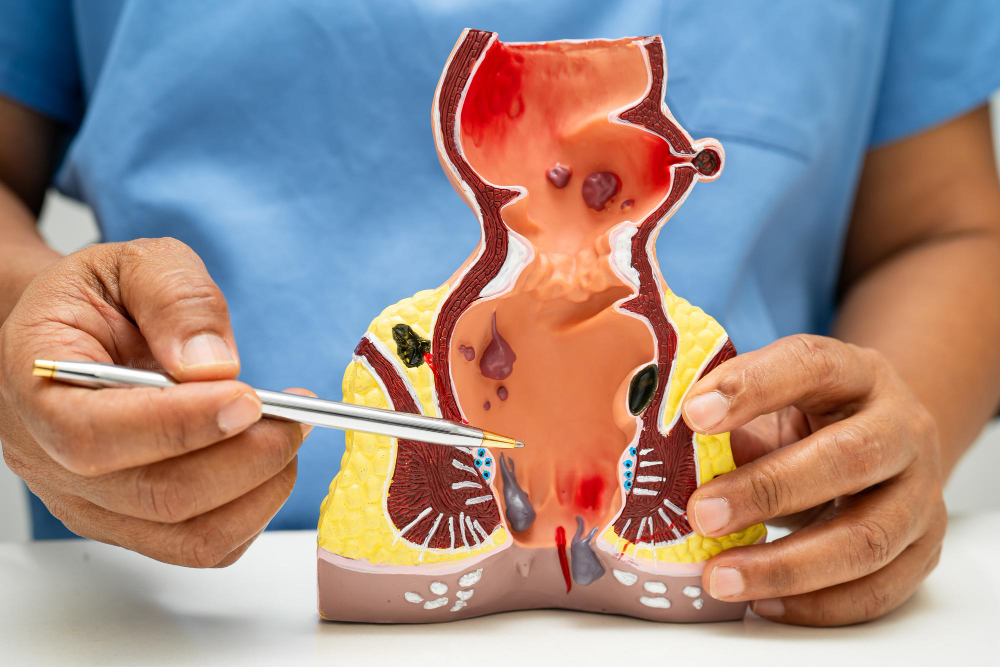
What Are Piles?
Piles, also called hemorrhoids, are swollen veins in the lower part of the rectum or anus. Many people experience discomfort, itching, or bleeding due to piles. Because piles are common, piles treatment is important for relief and recovery. Both men and women can get piles at any age.
Symptoms of Piles
Recognizing the symptoms of piles helps you seek the right care. Common signs include:
However, not everyone has all these symptoms. If you notice any of these signs, you should consider piles treatment options.
Causes and Risk Factors
Piles develop when pressure increases in the veins of the anus or rectum. Several factors can raise your risk, such as:
For example, people who do not eat enough fiber may have harder stools, which can lead to piles. In addition, aging can weaken the tissues supporting the veins, making piles more likely.
How Piles Are Diagnosed
Doctors use simple methods to diagnose piles. First, they ask about your symptoms and medical history. Next, they may do a physical exam. Sometimes, a gentle exam of the anal area helps find swollen veins. In some cases, doctors use a small tool called an anoscope to look inside the rectum. If you have bleeding, your doctor may suggest more tests to rule out other causes. Early piles diagnosis helps guide the best treatment.
Treatment Options for Piles
There are many piles treatment choices. The right option depends on how severe your symptoms are. Let’s look at both non-surgical and surgical treatments.
Non-Surgical Treatments
Most people recover from piles with these non-surgical piles treatments. However, if symptoms persist, surgery may be needed.
Surgical Treatments
Surgical piles treatment is usually safe and effective. Recovery from piles surgery may take a few days to a couple of weeks. Your doctor will guide you on what to expect.
Home Remedies and Lifestyle Tips
For mild piles, home remedies can help. Here are some simple tips:
Additionally, keeping the anal area clean and dry can reduce irritation. These home remedies for piles may ease symptoms and speed up recovery.
Prevention of Piles
Preventing piles is possible with a few healthy habits. For instance, you can:
By following these steps, you lower your risk of developing piles in the future.
When to See a Doctor
Sometimes, piles do not improve with home care. You should see a doctor if:
Early medical advice can prevent complications. In addition, a doctor can suggest the best piles treatment for your needs.
For personalized guidance on piles treatment, consult Dr Sreekanth at Pranaam Hospital. Early care leads to better recovery and comfort.