
What is an Inguinal Hernia?
An inguinal hernia happens when a part of the intestine or fat pushes through a weak spot in the lower belly wall. This area is called the inguinal canal. Often, you may notice a small bulge in your groin or upper thigh. Inguinal hernias are common, especially in men. While some hernias cause pain, others may not hurt at all. However, it is important to know the signs and seek help if needed.
Common Symptoms of Inguinal Hernia
Many people with an inguinal hernia notice a lump in the groin. Sometimes, the lump gets bigger when you stand or cough. Other symptoms can include:
However, not everyone will have all these symptoms. Sometimes, the hernia is only found during a check-up.
Causes and Risk Factors
Inguinal hernias develop when the muscles in the lower belly become weak. Because of this weakness, tissue can push through. Several factors can increase your risk:
Sometimes, babies are born with weak belly muscles. This can also lead to an inguinal hernia.
How is Inguinal Hernia Diagnosed?
Doctors can often diagnose an inguinal hernia during a physical exam. First, your doctor will check for a bulge in your groin. You may be asked to stand or cough, as this can make the hernia easier to see. Sometimes, if the diagnosis is not clear, your doctor may order an ultrasound or a CT scan. These tests help show the hernia and rule out other problems. Early diagnosis is important to avoid complications.
Treatment Options for Inguinal Hernia
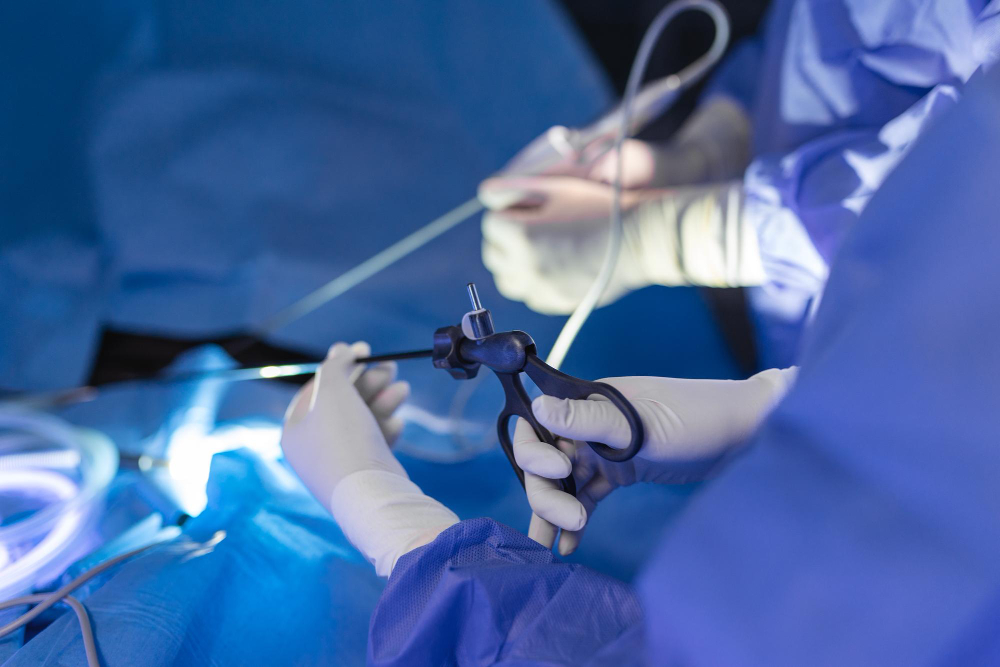
Treatment depends on the size of the hernia and your symptoms. In some cases, if the hernia is small and not painful, your doctor may suggest watchful waiting. However, most inguinal hernias will need surgery at some point. Surgery is the only way to fix the hernia and prevent serious problems. There are two main types of surgery:
After surgery, most people can return to normal activities in a few weeks. However, you should always follow your doctor’s advice for the best results.
Prevention and Lifestyle Tips
Although not all inguinal hernias can be prevented, you can lower your risk by making healthy choices. For example:
By following these tips, you can help protect your belly muscles and lower your risk of hernias.
When to See a Doctor
If you notice a lump in your groin or have pain, you should see a doctor. Especially if the lump becomes hard, painful, or you feel sick, seek help right away. These signs could mean the hernia is trapped, which is an emergency. Early treatment can prevent serious problems and help you recover faster.
In summary, inguinal hernias are common but treatable. If you have symptoms or concerns, consult Dr Sreekanth Doctor at Pranaam Hospital for personalized guidance on inguinal hernia.