
What Is a Hernia?
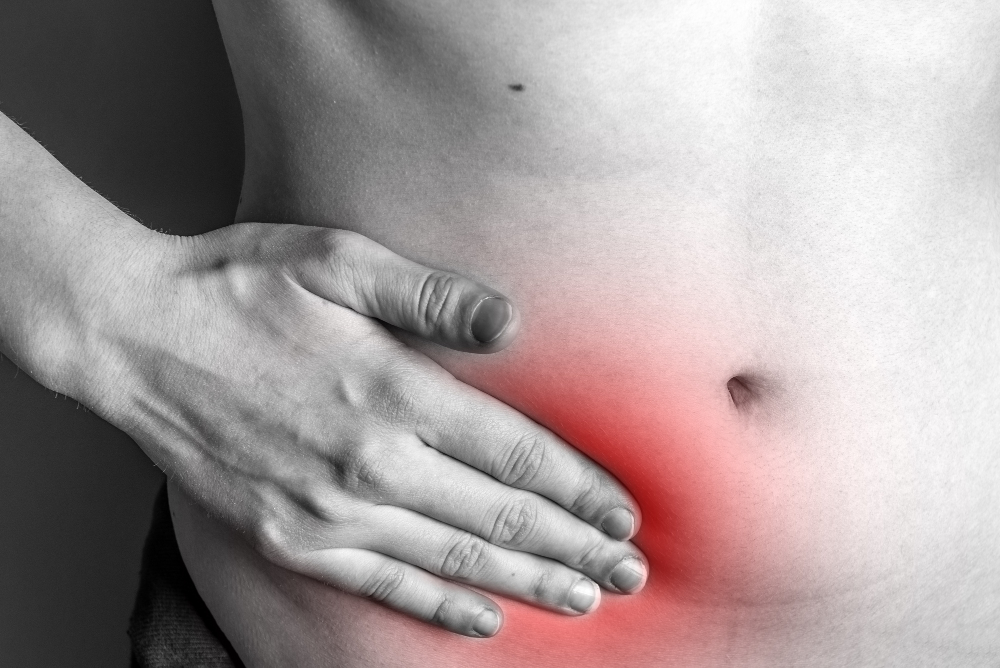
A hernia happens when an organ or tissue pushes through a weak spot in the muscle or tissue wall. Often, you may notice a bulge under your skin. For example, hernias can appear in the belly, groin, or upper thigh. Although some hernias are small and painless, others can cause discomfort. According to the World Health Organization, hernias are common and can affect people of all ages. Because hernias do not go away on their own, it is important to know the signs and causes.
Common Causes of Hernia
Many things can lead to a hernia. Sometimes, people are born with weak muscles. However, most hernias develop over time. For instance, heavy lifting or straining can increase your risk. In addition, being overweight or having a chronic cough may also play a role. Below are some common hernia causes:
Because these factors can weaken muscles, it is important to be aware of your risks.
Symptoms of a Hernia
Often, a hernia shows up as a lump or bulge. Sometimes, you may feel pain or pressure, especially when you cough or lift something. However, some hernias do not hurt at all. Here are common hernia symptoms:
Because hernia symptoms can change over time, it is wise to watch for new or worsening signs. If you notice sudden pain, redness, or vomiting, seek medical help right away.
When Is Surgery Needed for a Hernia?
Not all hernias need surgery right away. Sometimes, doctors may suggest watchful waiting if the hernia is small and painless. However, surgery may be needed if you have pain, the hernia gets bigger, or it affects your daily life. For example, if the hernia becomes trapped or blocks blood flow, emergency surgery may be required. According to the CDC, hernia surgery is common and usually safe. When to see a surgeon for hernia concerns includes:
Because untreated hernias can lead to serious problems, it is important to talk to a doctor if you notice these signs.
Diagnosis and Treatment Options
Doctors can often diagnose a hernia with a simple exam. Sometimes, they may use ultrasound or other scans to check the area. Once a hernia is found, your doctor will discuss treatment options. For small, painless hernias, you may only need regular check-ups. However, larger or painful hernias often need surgery. There are two main types of hernia surgery:
Both methods are safe, but your doctor will help choose the best one for you. After surgery, most people recover quickly and return to normal activities within a few weeks.
Preventing Hernias: Lifestyle Tips
While not all hernias can be prevented, healthy habits can lower your risk. For example, you can:
Because prevention is easier than treatment, these simple steps can help protect you from hernias. If you have questions or concerns, talk to your healthcare provider for advice.
Connect with Sreekanth Doctor at Pranaam Hospital for comprehensive healthcare support.