
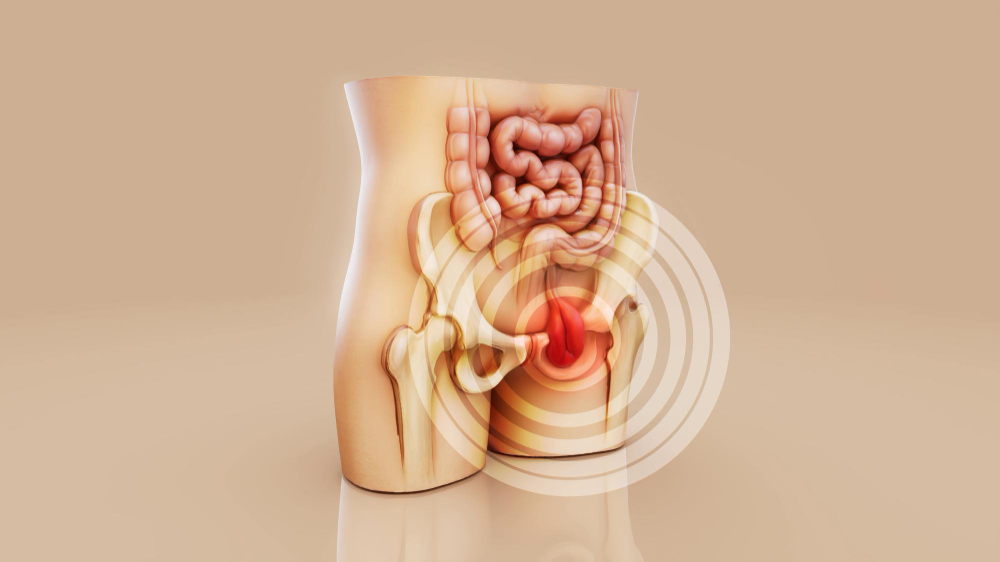
What Is a Recurrent Hernia?
A recurrent hernia happens when a hernia returns after surgery. This means the bulge or lump that was fixed before comes back in the same spot. While hernia surgery is often successful, sometimes the hernia reappears. Doctors call this a hernia recurrence. Understanding why this happens can help you lower your risk and know what to watch for.
Common Symptoms of Recurrent Hernia
After hernia repair, you may notice signs if the hernia comes back. However, symptoms can be mild or severe. For example, you might feel a soft lump under your skin. Other times, pain or discomfort may be present. Watch for these common symptoms:
Sometimes, the symptoms are more noticeable when you stand or strain. If you notice any of these signs, it is important to talk to your doctor.
Why Do Hernias Come Back After Surgery?
Even after hernia surgery, a hernia can return. There are several reasons for this. First, the tissue around the repair may be weak. Second, the surgical mesh or stitches may not hold as expected. In some cases, the body does not heal well after surgery. Additionally, heavy lifting or straining too soon can put stress on the area. Sometimes, infection or poor blood flow also play a role. Each of these factors can increase the chance of hernia recurrence.
Risk Factors for Recurrent Hernia
Some people have a higher risk of hernia recurrence. For example, certain health conditions or lifestyle habits can make hernias more likely to return. Below are common risk factors:
Because these risk factors affect healing, it is important to manage them when possible. Your doctor can help you understand your personal risks.
Diagnosis: How Doctors Identify Recurrent Hernias
Doctors use several methods to check for a recurrent hernia. First, they will ask about your symptoms and medical history. Next, they will perform a physical exam to feel for lumps or bulges. Sometimes, imaging tests are needed. For example, an ultrasound or CT scan can show hernias that are hard to see or feel. In many cases, these tests help confirm the diagnosis and guide treatment.
Treatment Options for Recurrent Hernia
Treatment for a recurrent hernia depends on its size, location, and your health. Often, surgery is needed to repair the hernia again. However, the approach may be different from your first surgery. Surgeons may use a stronger mesh or a different technique. In some cases, minimally invasive surgery is possible. Recovery time can vary. Your doctor will discuss the best option for you. If you are looking for hernia surgery in your area, ask about surgeons with experience in treating hernia recurrence.
Prevention: How to Lower Your Risk of Hernia Recurrence
While not all hernia recurrences can be prevented, you can take steps to lower your risk. For example, follow your doctor’s advice after surgery. Additionally, consider these prevention tips:
Because prevention is key, talk to your doctor about any concerns you have. They can help you make a plan that fits your needs.
Lifestyle Tips for Recovery and Prevention
After hernia surgery, your daily habits can affect healing and lower the risk of recurrence. For instance, gentle movement can help your body recover. But, avoid lifting heavy objects until your doctor says it is safe. Eat a balanced diet to support healing. If you have trouble with constipation, add fiber to your meals. This can help prevent straining. Also, wear loose clothing to avoid pressure on the surgery site. If you smoke, try to quit. Even small changes can make a big difference in your recovery and help prevent another hernia.
Conclusion
If you have concerns about a recurrent hernia or want to learn more about prevention, Doctor Sreekanth is here to help. Book a consultation today for expert advice and personalized care.