
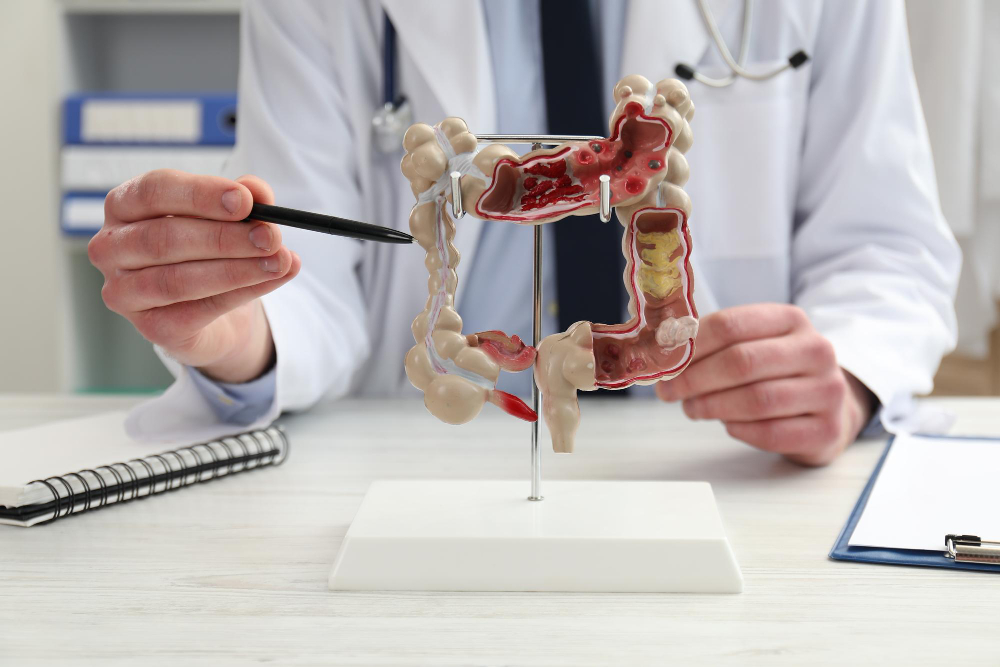
What is a Laparoscopic Appendectomy?
A laparoscopic appendectomy is a type of minimally invasive appendix surgery. Doctors use small cuts and a camera to remove the appendix. Because of this, many people heal faster and have less pain after surgery. This method is often chosen over open surgery for many patients.
Signs and Symptoms of Appendicitis
Appendicitis means the appendix is swollen or infected. Early signs can be mild, but they often get worse quickly. Knowing the symptoms helps you seek care on time. Common signs include:
However, not everyone has all these symptoms. If you notice these signs, you should seek medical help right away.
When Is Laparoscopic Appendectomy Needed?
Many people ask, “When is laparoscopic appendectomy needed?” Doctors recommend this surgery when appendicitis is likely or confirmed. The main indications include:
In most cases, quick surgery is the safest choice. Delaying can lead to serious problems, such as infection spreading in the belly.
Diagnosis and Evaluation
Doctors use several steps to diagnose appendicitis. First, they ask about your symptoms and do a physical exam. Next, they may order tests, such as:
After these steps, your doctor will decide if surgery is needed. Sometimes, they may start with antibiotics if the case is mild. But often, surgery is the best way to prevent problems.
Benefits of Laparoscopic Approach
Laparoscopic appendectomy offers many benefits over open surgery. For example, you may have:
Because of these advantages, doctors often choose this minimally invasive appendix surgery when possible.
Risks and Considerations
Although laparoscopic surgery is safe for most people, there are some risks. These include:
However, your surgeon will discuss these risks with you. They will also check if you have any health issues that may affect surgery.
Recovery and Aftercare
After a laparoscopic appendectomy, most people recover quickly. You may go home the same day or after one night. To help your recovery:
If you notice fever, redness, or swelling at the wound, call your doctor. These could be signs of infection.
Prevention and Lifestyle Tips
While you cannot always prevent appendicitis, some healthy habits may help. For instance:
Although these steps may not stop all cases, they support good digestive health.
Conclusion
In summary, laparoscopic appendectomy is often needed when appendicitis is confirmed or likely. Early treatment can prevent serious problems. Consult Doctor Sreekanth for personalized advice on appendicitis and surgical options.