
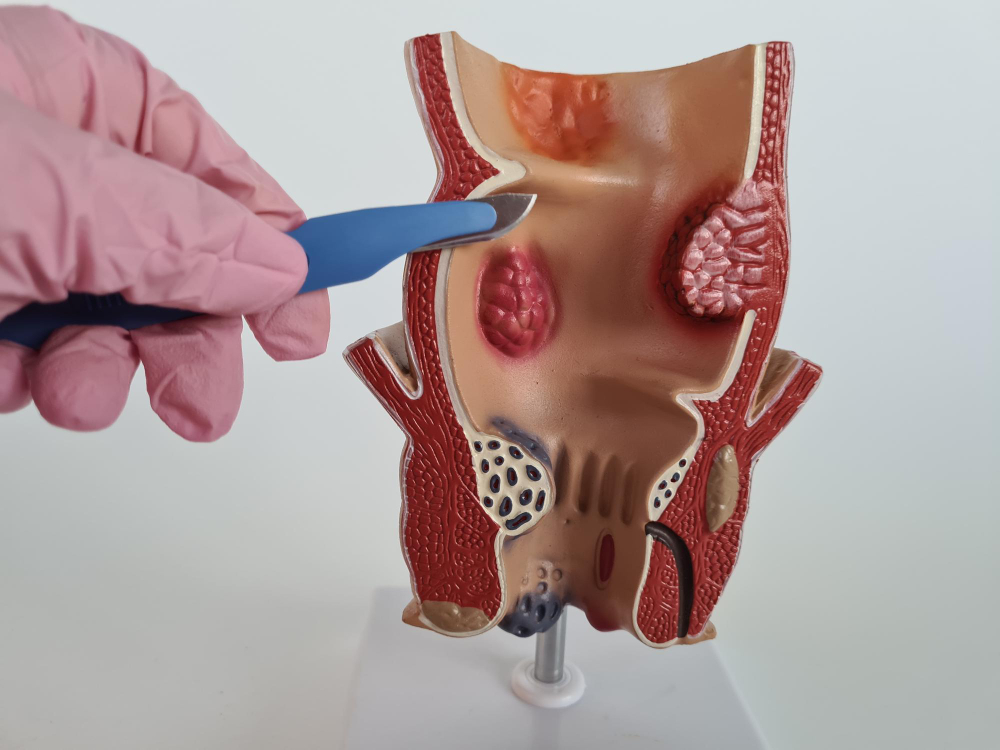
What Is a Fistula?
A fistula is an abnormal tunnel that forms between two parts of the body. Most often, it connects an organ to the skin or another organ. For example, an anal fistula links the inside of the anus to the skin around it. Because this tunnel is not natural, it can cause pain, swelling, and infection. Early intervention for fistula is important. Timely surgery can prevent problems and improve healing. Many people search for fistula surgery benefits and want to avoid delayed fistula treatment risks. Acting quickly helps you recover faster and lowers the chance of complications.
Common Symptoms of Fistula
Fistulas can cause a range of symptoms. However, not everyone will have all of them. Watch for these common signs:
If you notice any of these symptoms, seek medical advice. Early treatment can make a big difference.
Causes and Risk Factors
Several factors can lead to fistula formation. For instance, infections are a common cause. Sometimes, injuries or surgeries can also create a fistula. In addition, certain diseases like Crohn’s disease or tuberculosis may increase risk. Other risk factors include:
Knowing the causes helps you take steps to prevent fistulas. But if you are at risk, regular check-ups are important.
Why Timely Surgery Is Crucial
Timely fistula treatment is key to avoiding serious problems. When surgery is done early, healing is faster and easier. Also, early surgery lowers the risk of infection spreading. For example, untreated fistulas can lead to more pain and bigger wounds. In many cases, waiting too long makes the surgery more complex. Therefore, acting quickly gives you the best chance for a full recovery. According to the World Health Organization (WHO), early intervention reduces long-term health issues.
Risks of Delaying Fistula Treatment
Delaying fistula treatment can cause many problems. Not only can the infection get worse, but it can also spread to other areas. Here are some risks of waiting too long:
Because of these risks, it is important to seek help as soon as possible. Early surgery can prevent these issues and improve your quality of life.
Overview of Fistula Surgery
Fistula surgery is a common and safe procedure. The goal is to remove the abnormal tunnel and allow the area to heal. Surgeons use different methods based on the fistula’s location and size. For example, some surgeries involve cutting open the tunnel, while others use special plugs or stitches. Most people go home the same day or after a short stay. In addition, modern techniques make recovery faster and less painful. If you are looking for fistula treatment in your city, choose a hospital with experienced surgeons.
Recovery and Aftercare Tips
After fistula surgery, proper care helps you heal well. Here are some tips to follow:
Because recovery times vary, always ask your doctor if you have concerns. Quick action and good care can prevent problems.
Prevention and Lifestyle Guidance
While not all fistulas can be prevented, some steps lower your risk. For example, practice good hygiene and treat infections early. Also, eat a balanced diet and stay active to boost your immune system. If you have a chronic illness, manage it with your doctor’s help. Here are some simple prevention tips:
Because prevention is easier than treatment, these habits can help you stay healthy.
Consult Dr. Sreekanth at Pranaam Hospital if you suspect a fistula for the best treatment outcomes.