
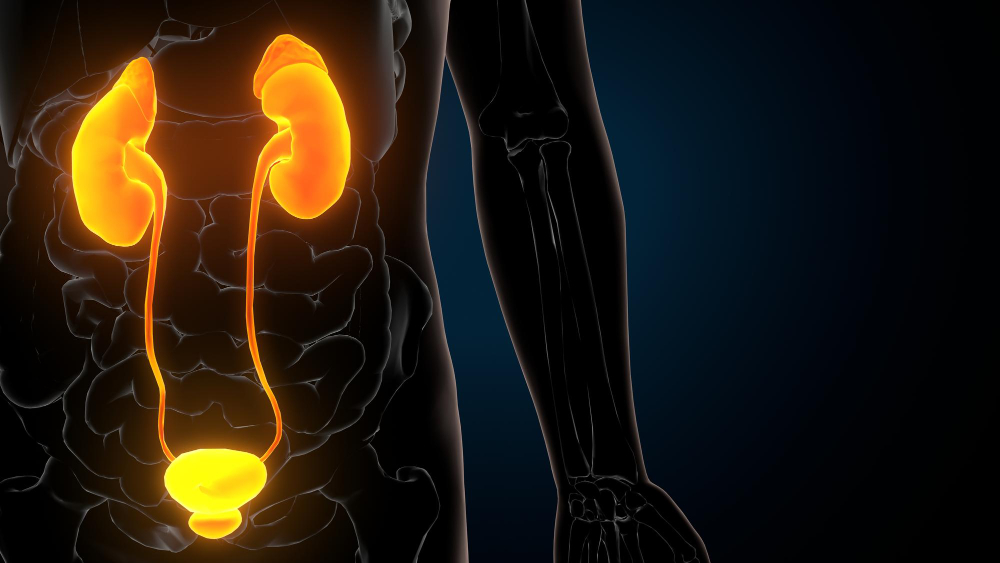
What is Ureteropelvic Junction Obstruction?
Ureteropelvic junction obstruction is a blockage where the kidney meets the tube that carries urine to the bladder. This tube is called the ureter. Because of this blockage, urine cannot flow easily from the kidney to the bladder. As a result, urine may build up in the kidney. Over time, this can cause swelling and damage. Although this condition can affect people of any age, it is often found in children. However, adults can also develop it.
Common Causes of Ureteropelvic Junction Obstruction
There are several reasons why this blockage can happen. Sometimes, people are born with it. Other times, it develops later in life. For example, scar tissue or kidney stones can cause a blockage. In some cases, blood vessels near the kidney press on the ureter. This pressure can slow or stop urine flow. Here are some common causes:
Because the causes can vary, it is important to find out the exact reason for the blockage.
Signs and Symptoms of UPJ Obstruction
UPJ obstruction symptoms may differ from person to person. Some people have no symptoms at all. However, others may notice problems. For instance, children may have a swollen belly or pain. Adults may feel pain in the side or back. Here are some common signs:
Sometimes, the symptoms are mild. But if the blockage gets worse, pain and other problems can increase. Therefore, it is important to watch for these signs.
How is Ureteropelvic Junction Obstruction Diagnosed?
Doctors use several tests to find out if you have ureteropelvic junction obstruction. First, they may ask about your symptoms and medical history. Next, they may do a physical exam. After that, they often use imaging tests. These tests help doctors see the kidneys and ureters. Common tests include:
Because early diagnosis helps prevent kidney damage, it is important to see a doctor if you have symptoms.
Treatment Options for UPJ Obstruction
UPJ obstruction treatment depends on the cause and how severe the blockage is. Sometimes, doctors only watch the condition if it is mild and not causing problems. However, if the blockage is serious, treatment is needed. Common treatments include:
Most people recover well after treatment. But regular follow-up is important to make sure the kidney stays healthy.
Prevention Tips and Lifestyle Guidance
While some causes of kidney blockage cannot be prevented, you can lower your risk of problems. For example, drinking enough water helps keep urine flowing. In addition, treating urinary infections quickly can help. Here are some tips:
Because early care can prevent damage, it is wise to pay attention to your body’s signals.
When to See a Doctor
If you notice pain in your side, blood in your urine, or frequent infections, see a doctor soon. Also, if your child has a swollen belly or trouble growing, get medical advice. Early treatment can prevent serious kidney problems. Therefore, do not wait if you have any symptoms of ureteropelvic junction obstruction.
For personalized guidance on ureteropelvic junction obstruction, consult Dr Sreekanth . Early care can protect your kidney health and well-being.