
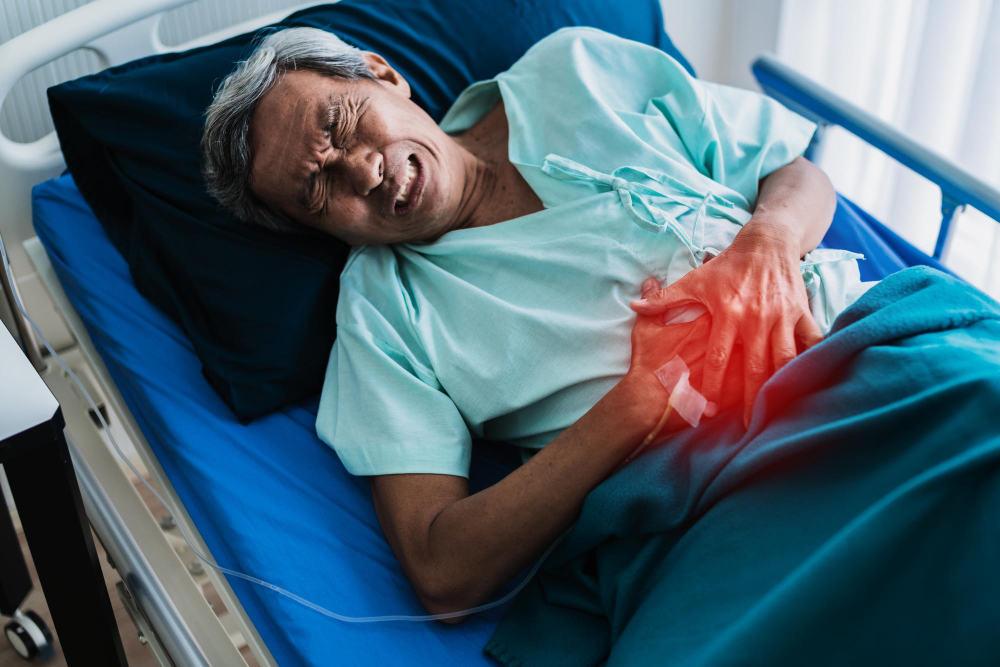
What Are Gallstones?
Gallstones are small, hard deposits that form in the gallbladder. The gallbladder is a small organ under your liver. It stores bile, which helps digest fat. Sometimes, substances in bile can harden and form stones. These stones can block the flow of bile. As a result, you may feel pain or discomfort. Gallstones are common, and many people do not know they have them. However, some people develop symptoms that need treatment. Laparoscopic removal is now the gold standard for gallstone removal. This minimally invasive gallstone treatment offers many benefits.
Types of Gallstones
There are two main types of gallstones. Each type forms in a different way. Understanding the types can help you know your risk.
Both types can cause similar symptoms. But, the cause and risk factors may differ.
Common Symptoms of Gallstones
Many people with gallstones have no symptoms. But, when a stone blocks a bile duct, symptoms can appear. Early recognition is important. Here are common signs to watch for:
If you notice these symptoms, seek medical help. Quick action can prevent complications.
How Are Gallstones Diagnosed?
Doctors use several methods to diagnose gallstones. First, they may ask about your symptoms and medical history. Next, they often order tests. Common tests include:
Early diagnosis helps guide the best treatment plan. According to the CDC, ultrasound is safe and effective for finding gallstones.
Why Laparoscopic Removal Is the Gold Standard
Laparoscopic gallbladder surgery is now the preferred way to remove gallstones. In this minimally invasive surgery, doctors make small cuts in the abdomen. They use a tiny camera and special tools to remove the gallbladder. Because of this, recovery is faster and less painful than with open surgery. Most patients go home the same day. The World Health Organization and many experts recommend this method for most people with gallstones.
Benefits of Laparoscopic Gallstone Surgery
Laparoscopic gallstone removal offers many advantages. Here are some key benefits:
Because of these benefits, laparoscopic surgery is the gold standard for gallstone removal. It is safe and effective for most people.
Prevention and Lifestyle Tips
While not all gallstones can be prevented, healthy habits may lower your risk. Consider these tips:
These steps can help keep your gallbladder healthy. However, some risk factors, like age or family history, cannot be changed.
When to See a Doctor
If you have symptoms of gallstones, do not wait. Seek medical advice if you notice:
Early treatment can prevent serious problems. For personalized advice or gallstone treatment in your area, consult Dr Sreekanth at Pranaam Hospital. Your doctor can help you choose the best care for your needs.