
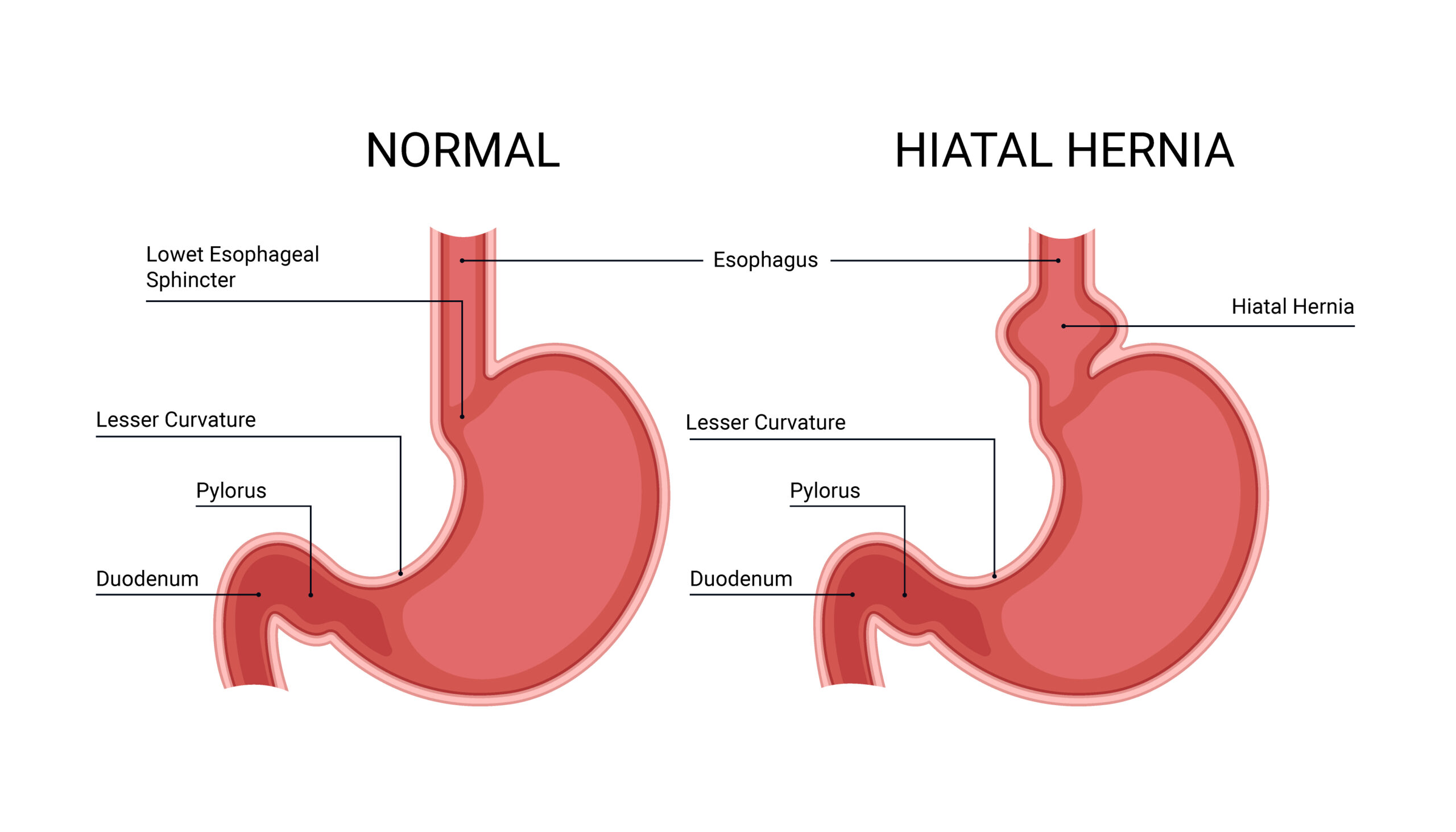
What Is a Hiatal Hernia?
A hiatal hernia happens when part of your stomach pushes up through the opening in your diaphragm. The diaphragm is a muscle that helps you breathe. Normally, your stomach stays below this muscle. However, with a hiatal hernia, some of your stomach moves up into your chest. This can cause discomfort. Many people want to know about hiatal hernia symptoms, causes of hiatal hernia, and when hiatal hernia surgery is needed. Understanding this condition can help you manage it better.
Common Causes of Hiatal Hernia
Several things can lead to a hiatal hernia. Sometimes, the cause is not clear. But, certain factors make it more likely. For example, age and lifestyle can play a role. Here are some common causes of hiatal hernia:
Because these causes are common, many people may develop a hiatal hernia over time.
Recognizing Hiatal Hernia Symptoms
Not everyone with a hiatal hernia has symptoms. Still, many people notice signs that something is wrong. For instance, you may feel discomfort after eating. Below are some hiatal hernia symptoms to watch for:
However, these symptoms can also be caused by other conditions. Therefore, it is important to talk to your doctor if you notice them.
Diagnosis: How Is a Hiatal Hernia Found?
Doctors use several tests to find a hiatal hernia. First, they may ask about your symptoms. Then, they might suggest tests such as:
Because these tests are simple and safe, most people can have them done as an outpatient. According to the CDC and medical journals, these methods are reliable for diagnosis.
When Is Surgery Needed for Hiatal Hernia?
Most hiatal hernias do not need surgery. However, sometimes surgery is the best option. For example, you may need hiatal hernia surgery if:
In many cities, hospitals offer minimally invasive surgery. This means smaller cuts and faster recovery. Still, your doctor will help you decide if surgery is right for you.
Treatment Options and Lifestyle Tips
Many people manage hiatal hernia symptoms without surgery. For instance, doctors often suggest medicine to reduce stomach acid. In addition, lifestyle changes can help. Here are some tips:
Because these steps are simple, many people find relief quickly. However, always follow your doctor’s advice for the best results.
Prevention and Self-Care
While you cannot always prevent a hiatal hernia, you can lower your risk. For example, you can:
Because prevention is easier than treatment, these habits can help you stay healthy. If you have questions, talk to your healthcare provider.
In summary, a hiatal hernia can cause discomfort, but many people manage it well. If you have symptoms or concerns, consult a specialist Dr. Sreekanth at Pranaam hospital for personalized guidance on hiatal hernia treatment.