
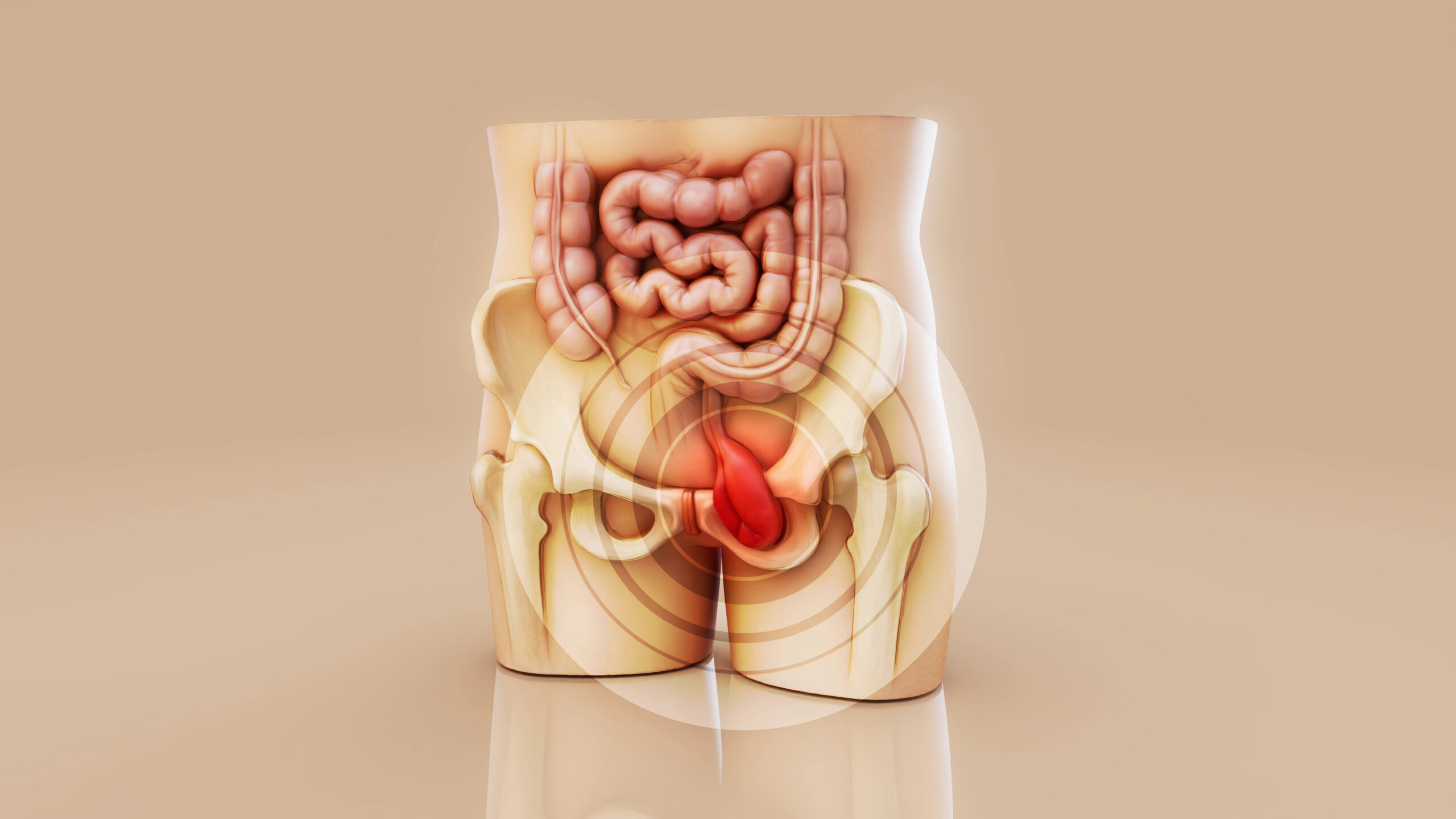
What Are Rectal Fissures?
Rectal fissures are small tears or cracks in the lining of the anus. These tears can cause pain, especially during bowel movements. Often, rectal fissures are common and affect people of all ages. Because the area is sensitive, even a small tear can be very uncomfortable. Rectal fissures are not usually serious, but they can cause distress. If you notice pain or bleeding, it is important to learn more about rectal fissures and how to manage them.
Common Causes of Rectal Fissures
Many things can lead to rectal fissures. For example, hard or large stools can stretch the skin and cause a tear. Sometimes, frequent diarrhea or constipation can also damage the area. In addition, straining during bowel movements increases the risk. Other possible causes include:
Although anyone can get rectal fissures, they are more common in infants and young children. However, adults can also develop them due to lifestyle or health issues.
Recognizing Symptoms
Rectal fissure symptoms are usually easy to notice. Most people feel sharp pain during or after passing stool. Often, the pain can last for several hours. Other common symptoms include:
Because these symptoms can also be signs of other conditions, it is important to pay attention to any changes. If symptoms do not improve, seek medical advice.
How Rectal Fissures Are Diagnosed
Doctors usually diagnose rectal fissures with a simple physical exam. First, your doctor will ask about your symptoms and medical history. Next, they may gently examine the area to look for a tear. In most cases, no special tests are needed. However, if the fissure does not heal or keeps coming back, your doctor may suggest further tests. These can help rule out other problems, such as infections or inflammatory bowel disease. According to the CDC, early diagnosis helps prevent complications.
Treatment Options for Rectal Fissures
Treatment for rectal fissures often starts with simple steps at home. Most fissures heal within a few weeks. Some helpful treatments include:
Sometimes, doctors may prescribe special creams to relax the muscles and improve healing. In rare cases, if the fissure does not heal, a minor surgery may be needed. However, most people recover without surgery. If you are looking for rectal fissure treatment in your area, many clinics offer expert care.
Tips for Prevention and Lifestyle Guidance
Preventing rectal fissures is possible with a few healthy habits. For instance, you can:
Additionally, teaching children healthy bathroom habits can help prevent fissures early in life. If you have ongoing problems, talk to your doctor for more advice.
When to See a Doctor
Although most rectal fissures heal on their own, you should see a doctor if:
Early treatment can prevent complications and help you feel better sooner. If you have symptoms of rectal fissures, consult a specialist Sreekanth Doctor for personalized guidance.