What is Cholecystitis?
Cholecystitis means inflammation of the gallbladder. The gallbladder is a small organ under your liver. It stores bile, which helps your body digest fat. When the gallbladder becomes swollen or irritated, it can cause pain and other problems. Often, cholecystitis happens because of gallstones. These are small, hard pieces that block the flow of bile. However, other causes can also lead to this condition.
Common Symptoms
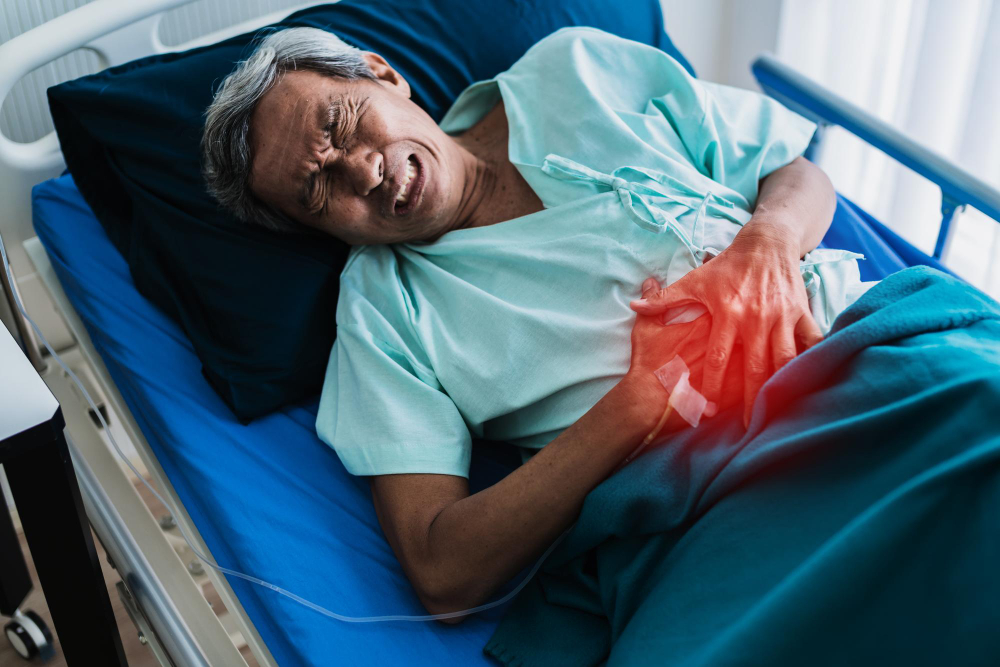
Cholecystitis symptoms can appear suddenly. Sometimes, they may start slowly. For example, you may feel pain in your upper right belly. This pain can be sharp or dull. It may get worse after eating, especially fatty foods. Other common signs include:
If you notice these symptoms, especially severe abdominal pain, you should seek medical help.
Main Causes and Risk Factors
Most often, cholecystitis is caused by gallstones. These stones block the tube that carries bile out of the gallbladder. As a result, bile builds up and causes swelling. But, there are other causes too. For instance, infections or injuries can also lead to gallbladder inflammation. Some risk factors include:
Because these factors increase your risk, it is important to know them.
How Cholecystitis is Diagnosed
Doctors use several steps to diagnose cholecystitis. First, they ask about your symptoms and medical history. Next, they may check your belly for tenderness. After that, you might need tests, such as:
These tests help your doctor find the cause of your symptoms and plan the right treatment.
Treatment Options
Treatment for cholecystitis depends on how severe it is. In many cases, you may need to stay in the hospital. There, you can get fluids and medicine through a vein. Doctors may give you antibiotics to treat infection. Sometimes, you need surgery to remove the gallbladder. This is called a cholecystectomy. Most people can live a normal life without a gallbladder. In mild cases, rest and a special diet may help. However, untreated cholecystitis can cause serious problems, so early care is important.
Prevention Tips and Lifestyle Guidance
Although you cannot always prevent cholecystitis, some steps can lower your risk. For example, you can:
Because these habits support your gallbladder health, they are worth following. If you have had gallstones before, talk to your doctor about ways to prevent them.
When to See a Doctor
If you have sudden or severe abdominal pain, do not wait. Seek medical help right away. Also, if you have fever, vomiting, or yellow skin, see a doctor. Early treatment can prevent serious problems. Remember, cholecystitis can become dangerous if ignored.
If you experience symptoms of cholecystitis, consult Dr. Sreekanth at Pranaam Hospital for personalized advice.